seedlings planted in schools through Mbita youth-led environmental work.
Teddy Katono · Kenya
Building climate resilience with communities.
I help communities restore land, grow nutritious food, and turn practical climate ideas into systems people can own and share.
Lake Victoria
Western Kenya
Kilifi Coast
Impact in practice
Progress you can count. Skills people can keep.
indigenous trees planted during Misango Hills restoration.
coastal farmers directly trained in climate-smart kitchen gardening.
households reached as trained farmers share sack and container gardening.
The approach
Small interventions. Shared ownership. Lasting change.
Since 2017, my work has connected environmental restoration with the everyday needs of families, schools, farmers, and young people.
The goal is not simply to help communities withstand climate pressure. It is to build greener schools, stronger local livelihoods, and practical food systems that people can adapt to their own land and homes.
Listen locally
Build practically
Share openly
Selected projects
Work rooted in place.
From school tree nurseries near Lake Victoria to container gardens on the coast, each project begins with the realities already present in a community.
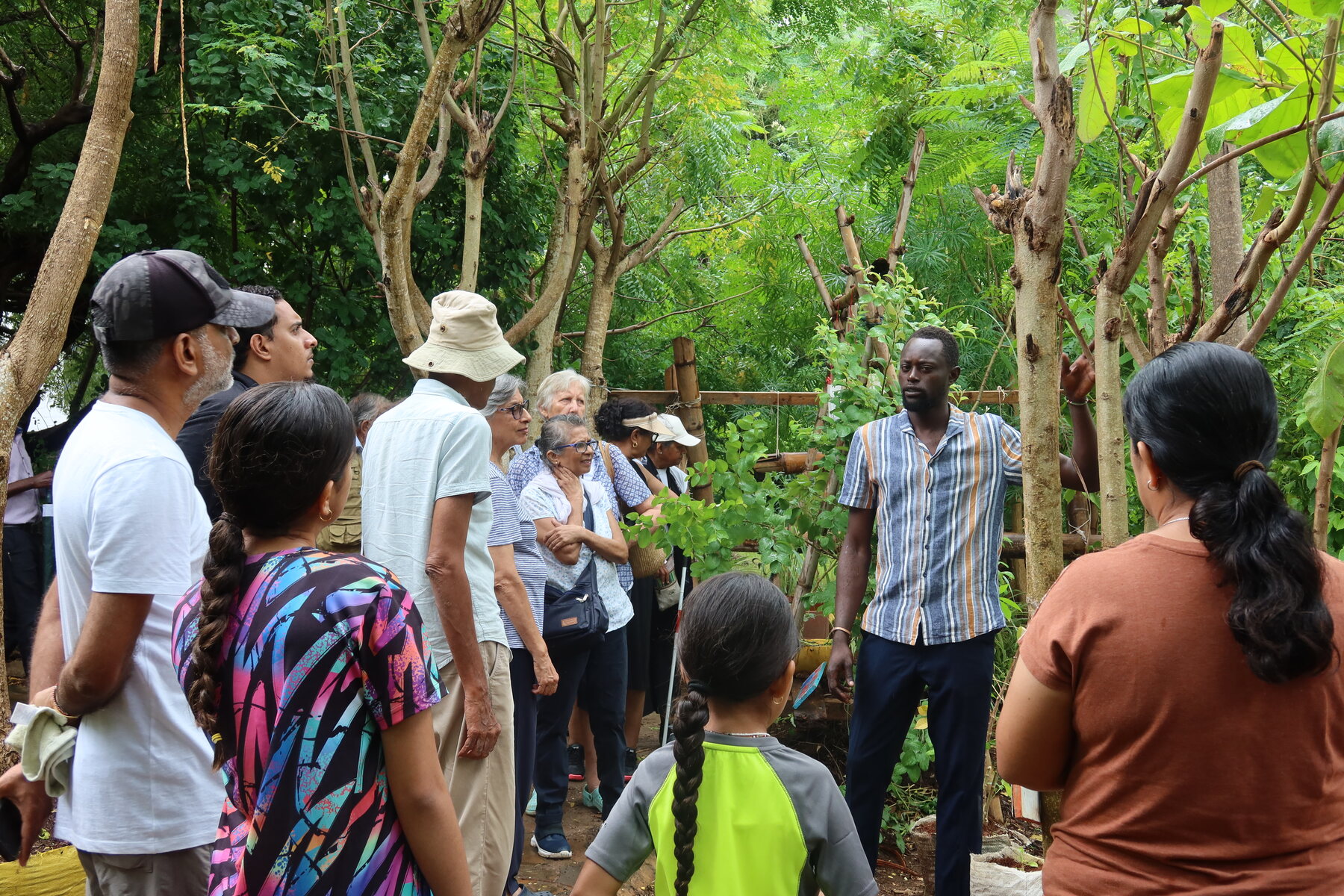
Climate-smart kitchens
Fishing communities learn to grow nutrient-rich vegetables in recycled sacks and containers despite limited space and difficult soils.
125farmers trained directly, reaching 500+ households.
Restoring landscapes
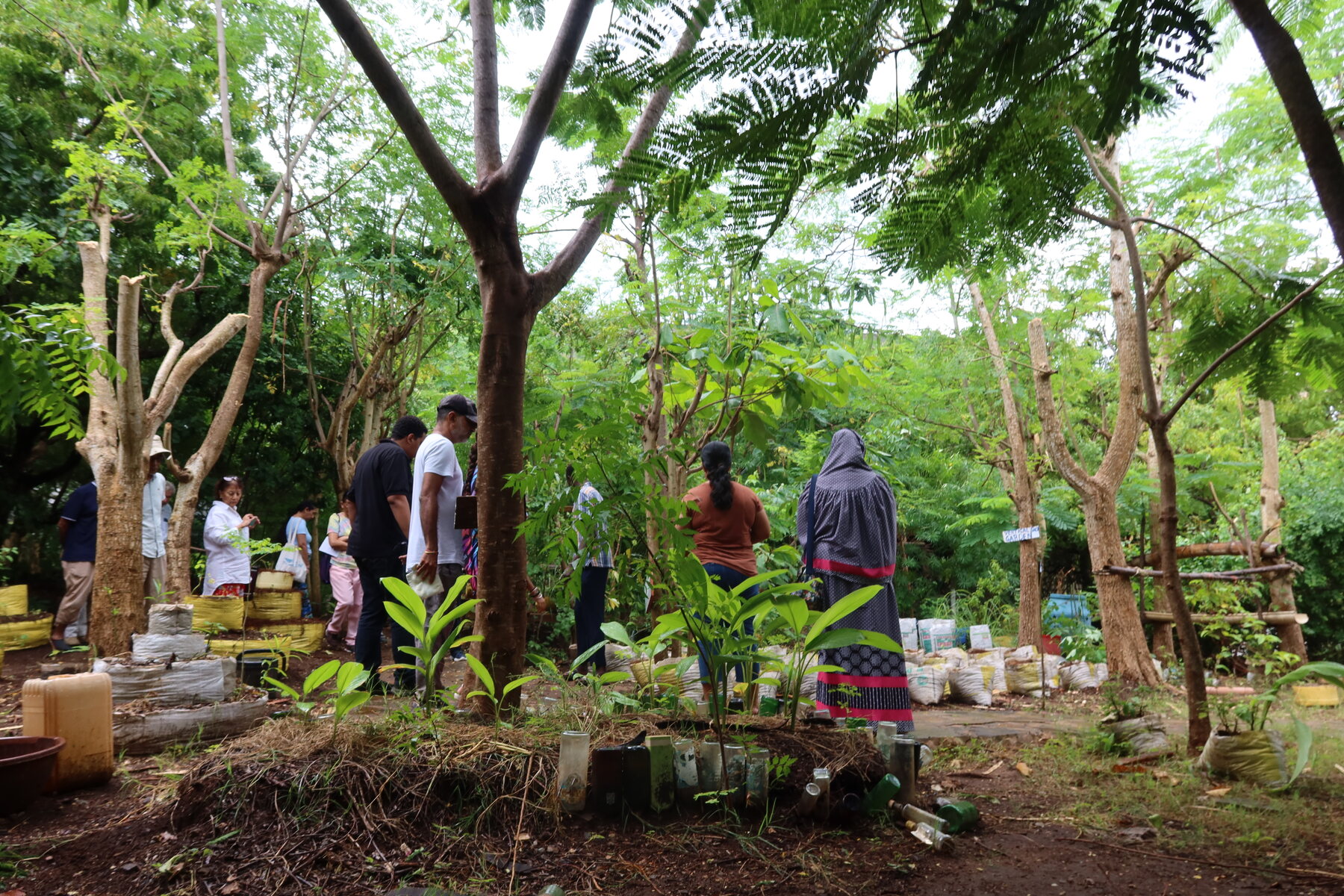
Farmers and forest stewards restored degraded land while building alternative livelihoods through agroforestry and fruit tree nurseries.
20,000+indigenous trees planted around Misango Hills.
Youth-led stewardship
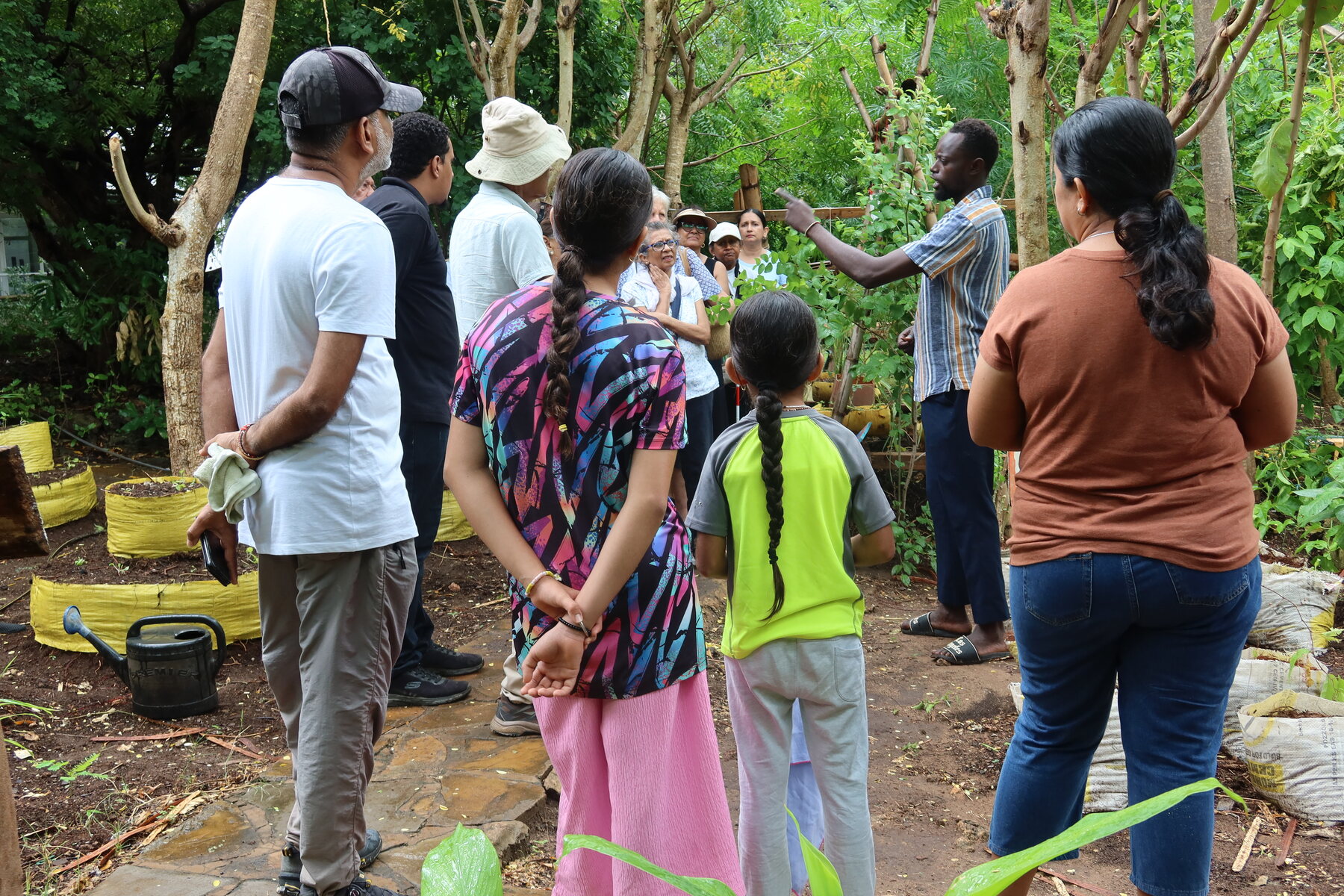
Young people organize nurseries, school planting, environmental learning, art, and practical action against deforestation and pollution.
16,570+seedlings planted through Mbita environmental work.
The journey
Seven years across Kenya’s western and coastal communities.
Different landscapes, one shared belief: durable climate action begins with local knowledge.
2018–present
Mbita Environmental Network
Co-founded youth-led environmental work around Lake Victoria, including nurseries, school planting, landscaping, and art.
2018–2020
Grassroots action on Rusinga Island
Mobilized young people to plant 2,400 school seedlings and build gabions that protect soil and water.
2020–2022
Misango Hills reforestation
Worked with farmers and the forest association on land restoration, agroforestry, and resilient livelihoods.
2023–present
Permaculture Lead, Oceans Alive
Trains coastal communities in practical food growing systems designed for constrained land and poor soils.
Read, watch, listen
Ideas in public.
Stories and conversations connecting climate, peace, youth movements, sport, and community action.
Profile
Waging Peace
Teddy’s peacebuilding story
A personal profile connected to youth, peace, and civic courage.
Field story
Oceans Alive Foundation
Land Restoration: A seed of hope
A story by Teddy about restoration, imagination, and rural resilience.
Case study
YouthxYouth
Mbita Glocal Hub spotlight
Podcast
Apple Podcasts
Sports for All with Teddy Katono
Commentary
The Standard
Africa, conflict, and the role of the UN
Analysis
YouthxYouth
Understanding Kenya’s youth uprising
Recognition
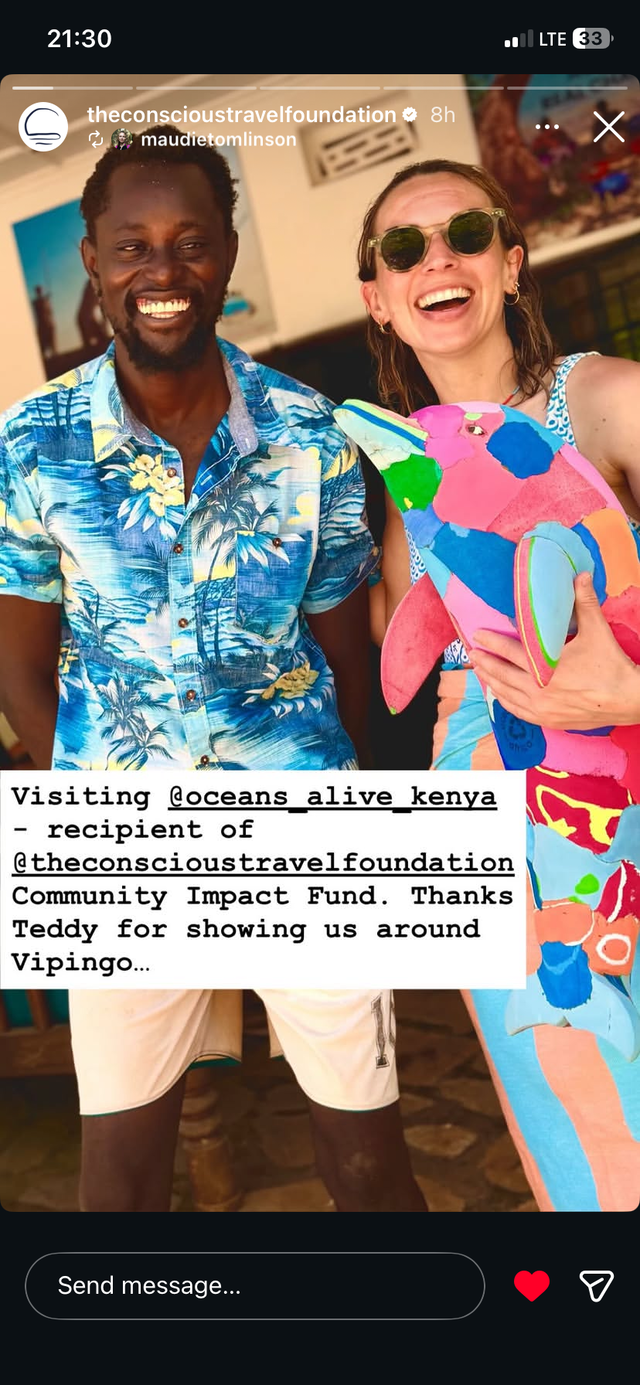
Thanks Teddy for showing us around Vipingo.
Community Impact Fund visitor story
The best recognition is practical: a garden people can walk through, a method they can take home, and an idea they can pass on.
Build something useful
Let’s grow the next idea together.
For partnerships, speaking, training, or community-led projects in sustainable agriculture, land restoration, and youth action.
Start a conversation hello@agwatarepublic.com